I’ve always been sad to see the end of something that I’ve worked hard on. Why exactly must all good things come to an end? Thanks to all of you who came to see my Paul Elder exhibition at the Book Club of California.

San Francisco bookseller & publisher, 1898-1968
I’ve always been sad to see the end of something that I’ve worked hard on. Why exactly must all good things come to an end? Thanks to all of you who came to see my Paul Elder exhibition at the Book Club of California.
You have just a few days left to see my Paul Elder exhibition at the Book Club of California, which closes Monday. Your best bet is to attend Monday night’s program, “The Life, Motto, and Library of William Walker.” Hope to see you there!

My exhibition of Paul Elder books is on display at the Book Club of California through February 12. You may make an appointment by calling 415.781.7532, or by attending one of the in-person events (free of charge, but registration required). The Club is located at 312 Sutter, Suite 500, in San Francisco, conveniently located right next to the Sutter-Stockton garage.
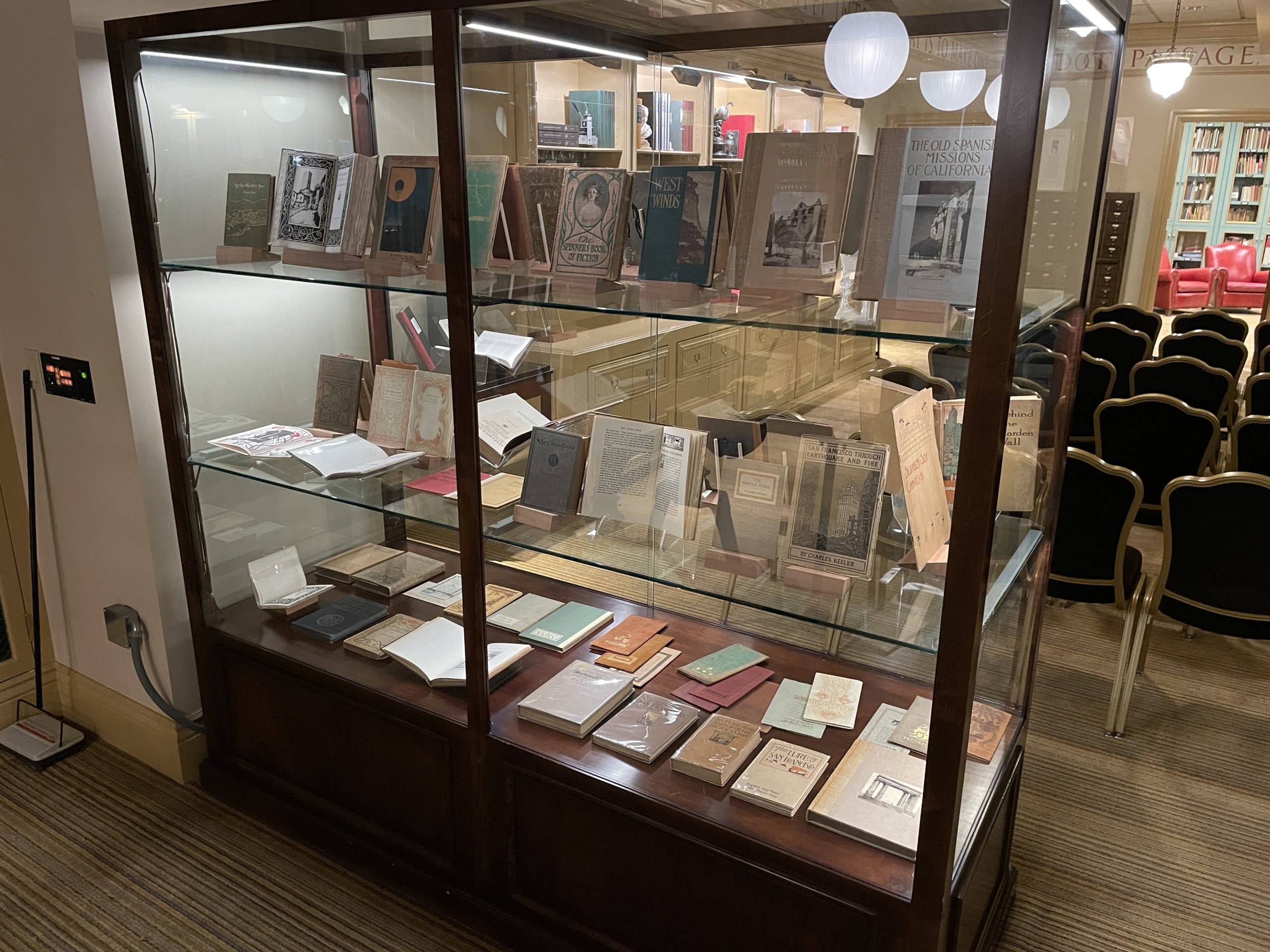
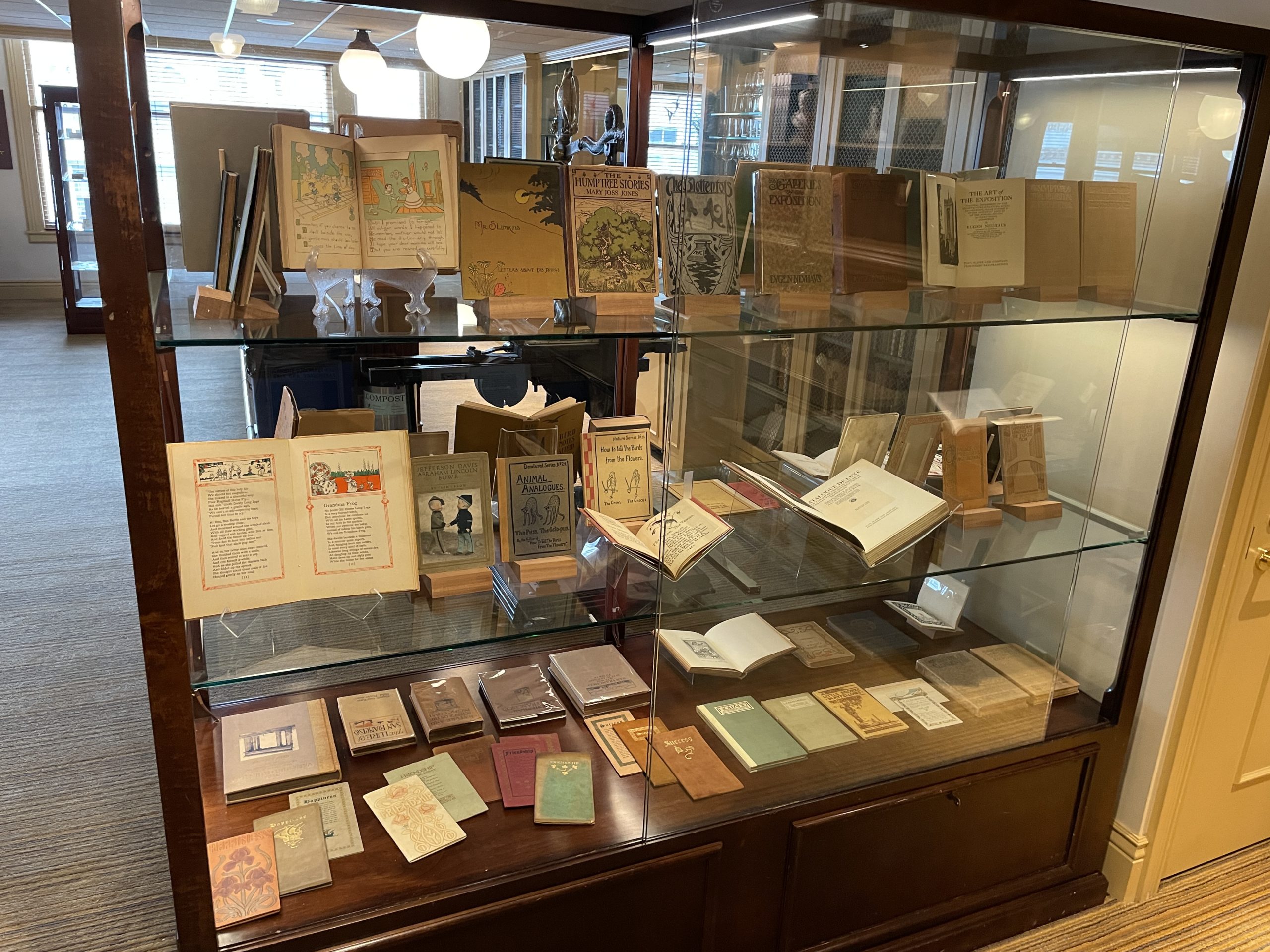
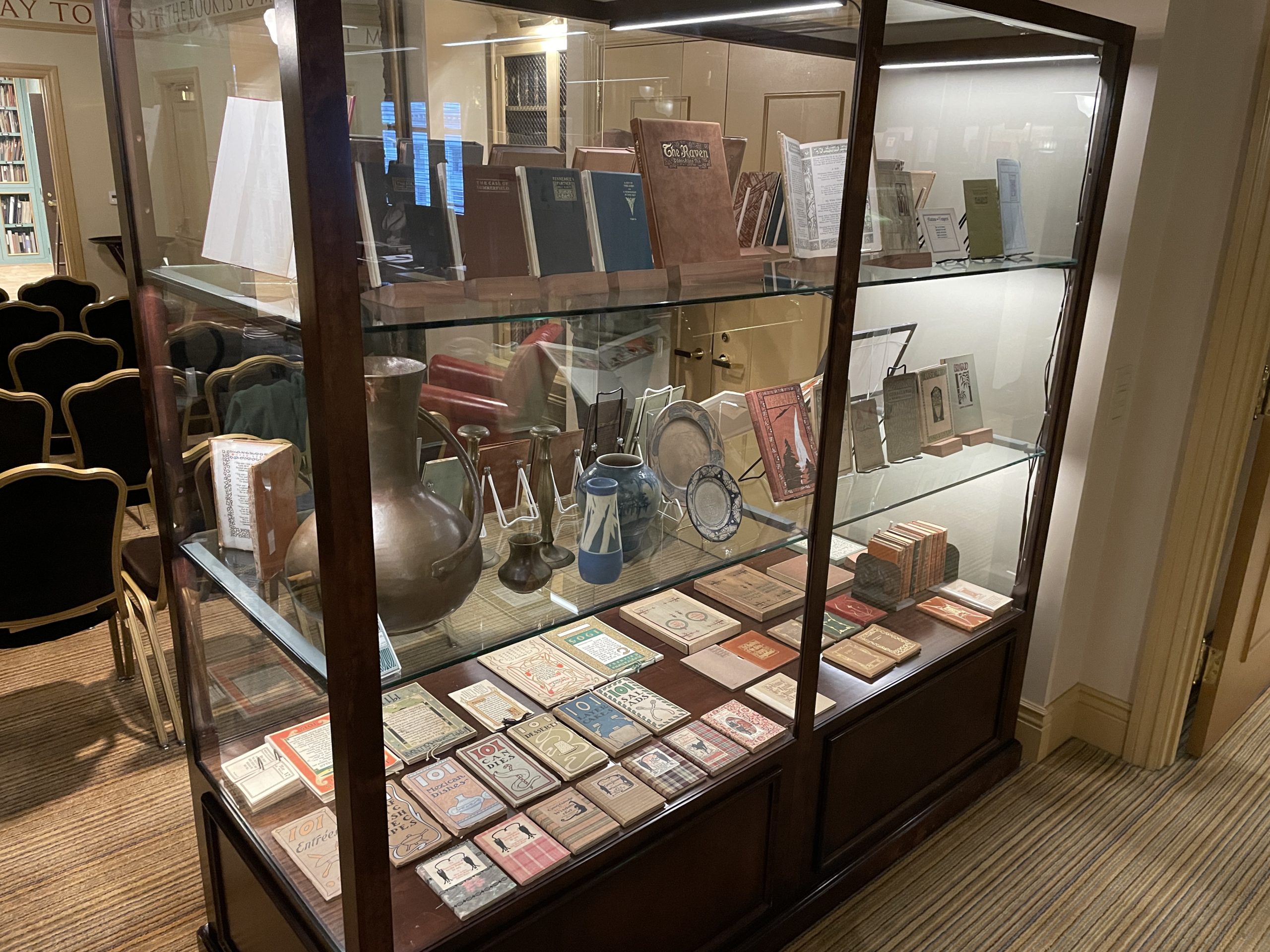
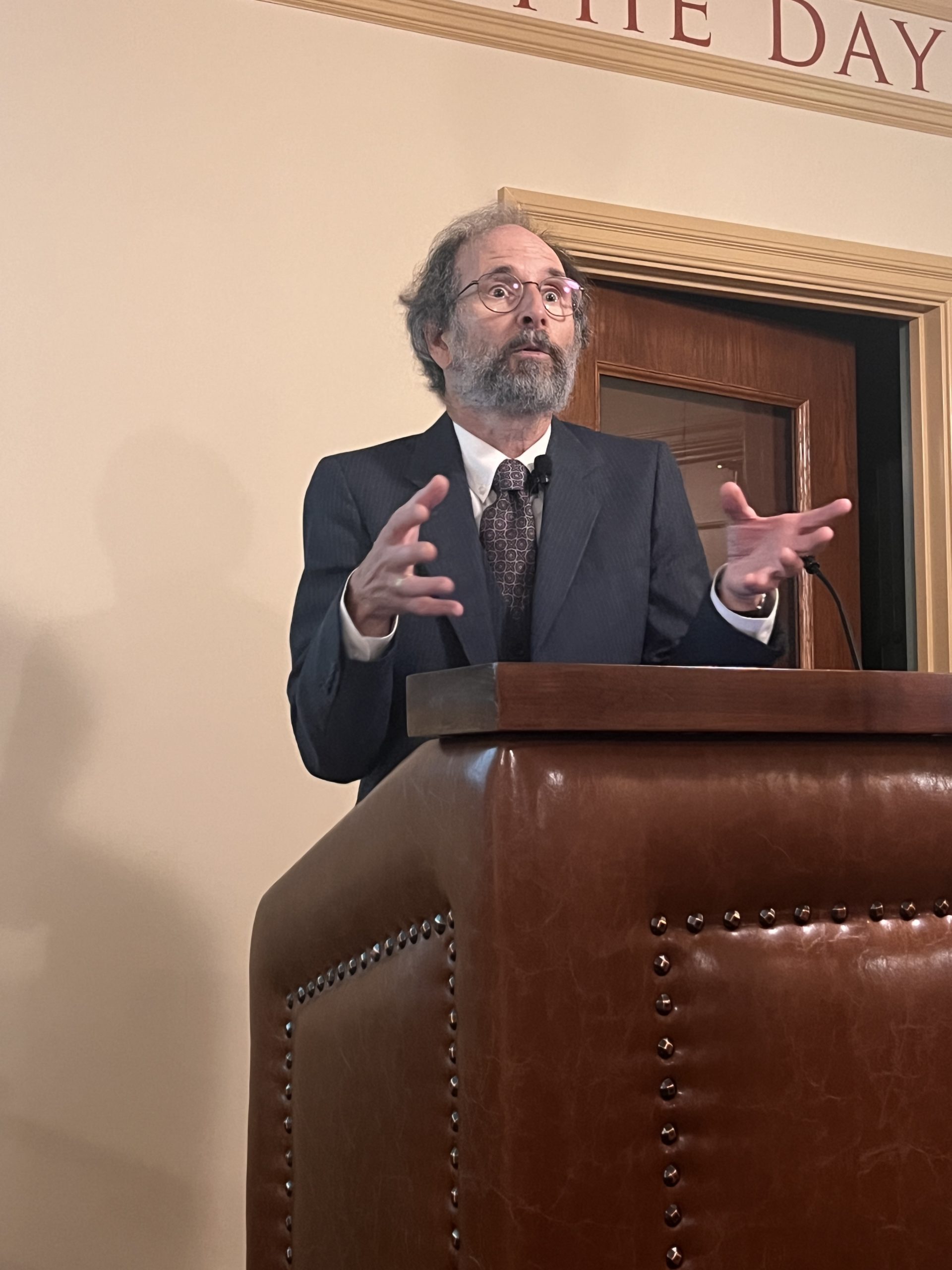
I was honored and delighted to accept the Book Club of California’s invitation to give the 2023 Kenneth Karmiole Endowed Lecture on the History of the Book Trade in California and the West, which I entitled “Paul Elder: A Literary Life in Seven Bookstores.” I spoke in San Francisco at the BCC headquarters on November 6, and in Pasadena at the Blinn House on November 8. You can find a recording of my Pasadena lecture on Youtube here.
Here are some photos from the San Francisco talk:



And from the Pasadena talk:
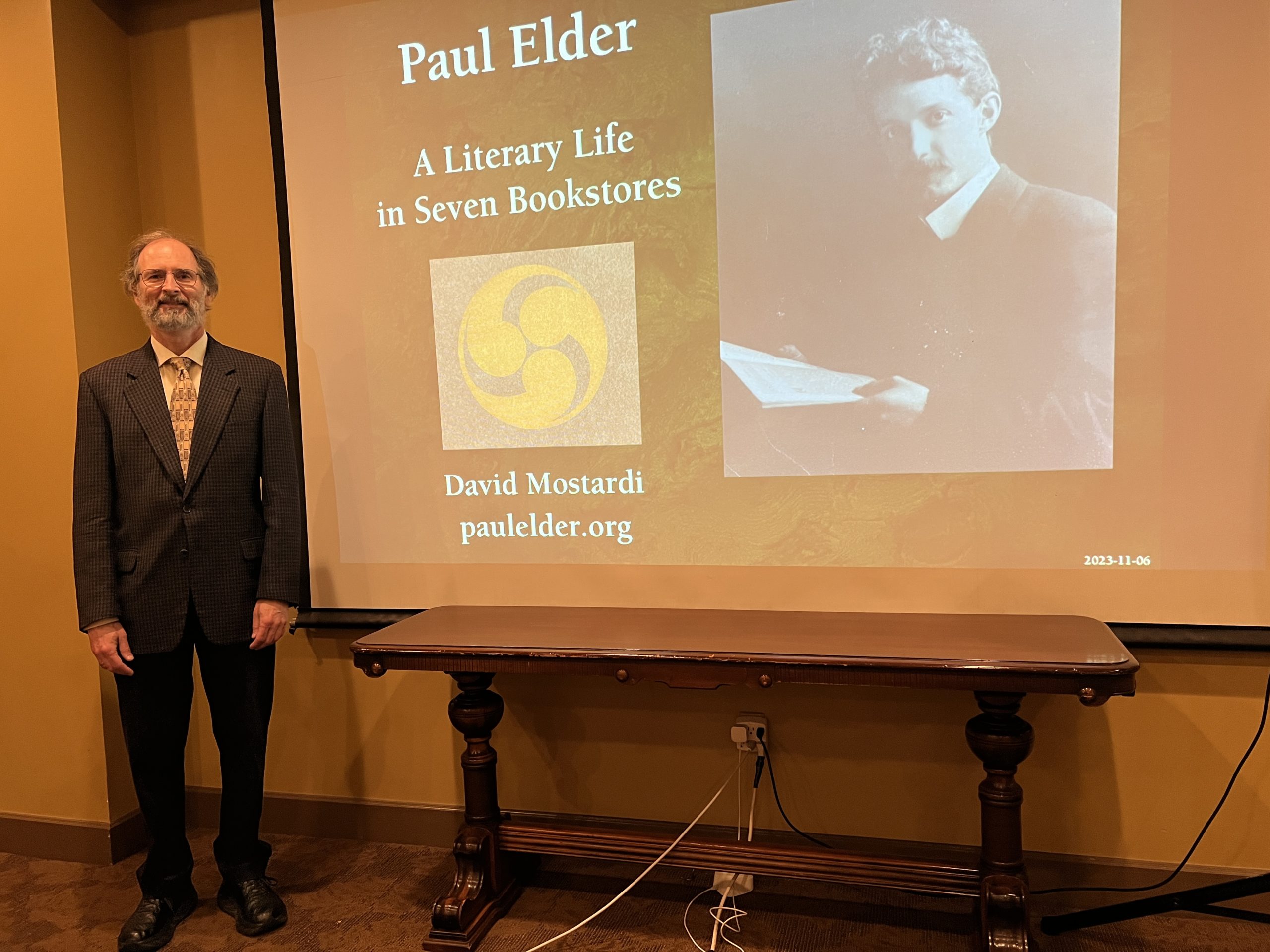
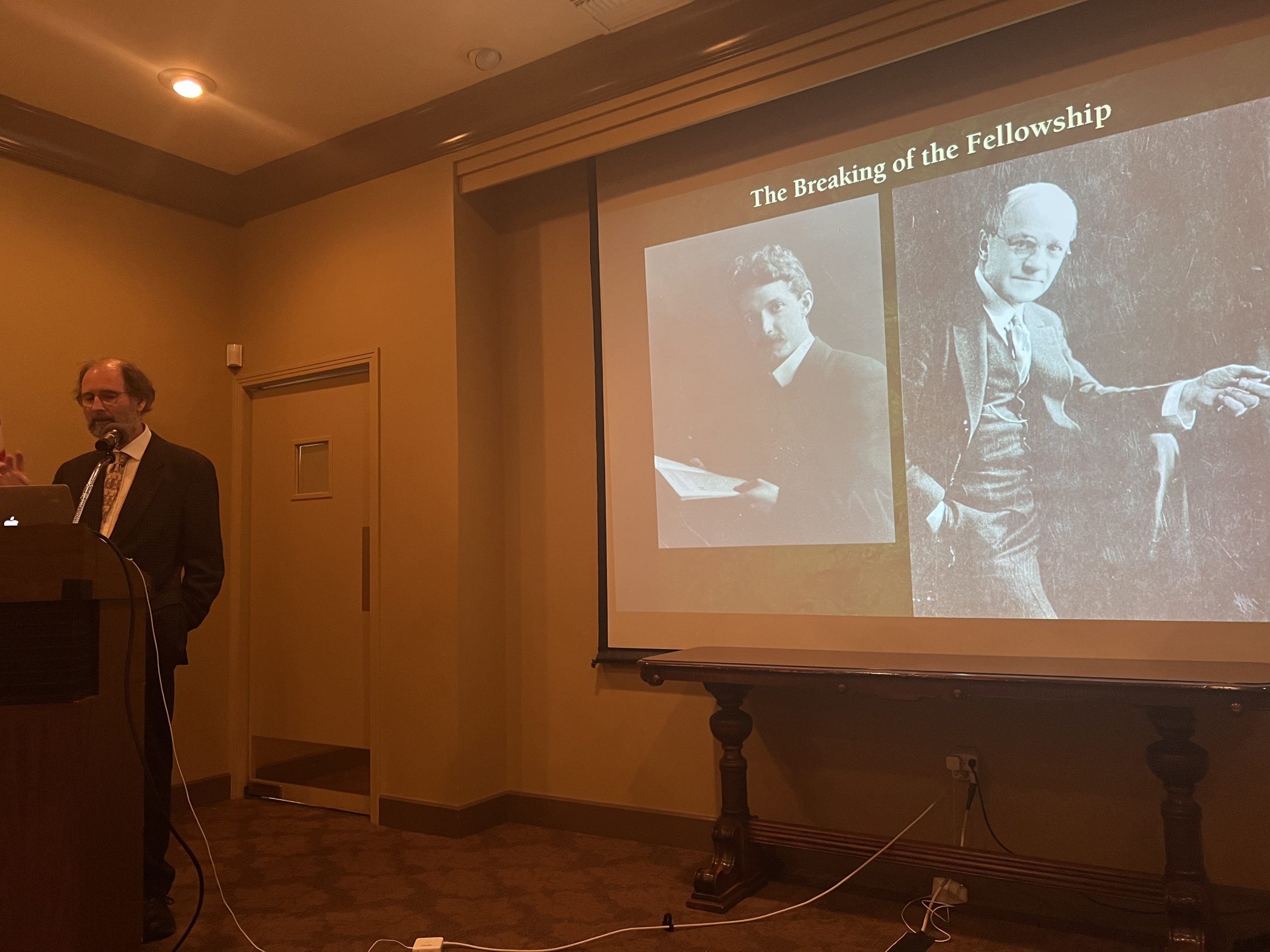
I am delighted to say that the Book Club of California has invited me as their speaker for the 2023 Kenneth Karmiole Endowed Lecture on the History of the Book Trade in California and the West. My talk is “Paul Elder: A Literary Life in Seven Bookstores,” and will be presented in person and online on Monday 6 November at 6:00pm in San Francisco, and in person on Wednesday 8 November at 6:00pm in Pasadena. Both lectures will be preceded by a reception. I would be honored if you would join me.
If you attend the San Francisco lecture, you’ll also be able to view my exhibition on Paul Elder & Company, which opens 6 November and will be on display through 12 February 2024. The exhibit will include many of Elder publishing themes, including Art Nouveau and Arts & Crafts decoration, San Francisco and the West, travel literature, children’s books, Japanese art, ephemera, and the 1915 Panama-Pacific International Exposition.
Both the lectures and the zoom are free, but require registration. You can find more information, including the registration links, at the Book Club of California website. Mark your calendars!